



“At this current stage, we are forming the cornerstone in the process of stimulating the logistics sector in the Kingdom of Saudi Arabia and the issuance of the Regulations for its establishment. Stressing the efforts of the Logistics Committee supported by all government sectors and in all aspects to make these projects a global exemplary model.“
1 of N
Integrated Logistics Bonded Zone (ILBZ)
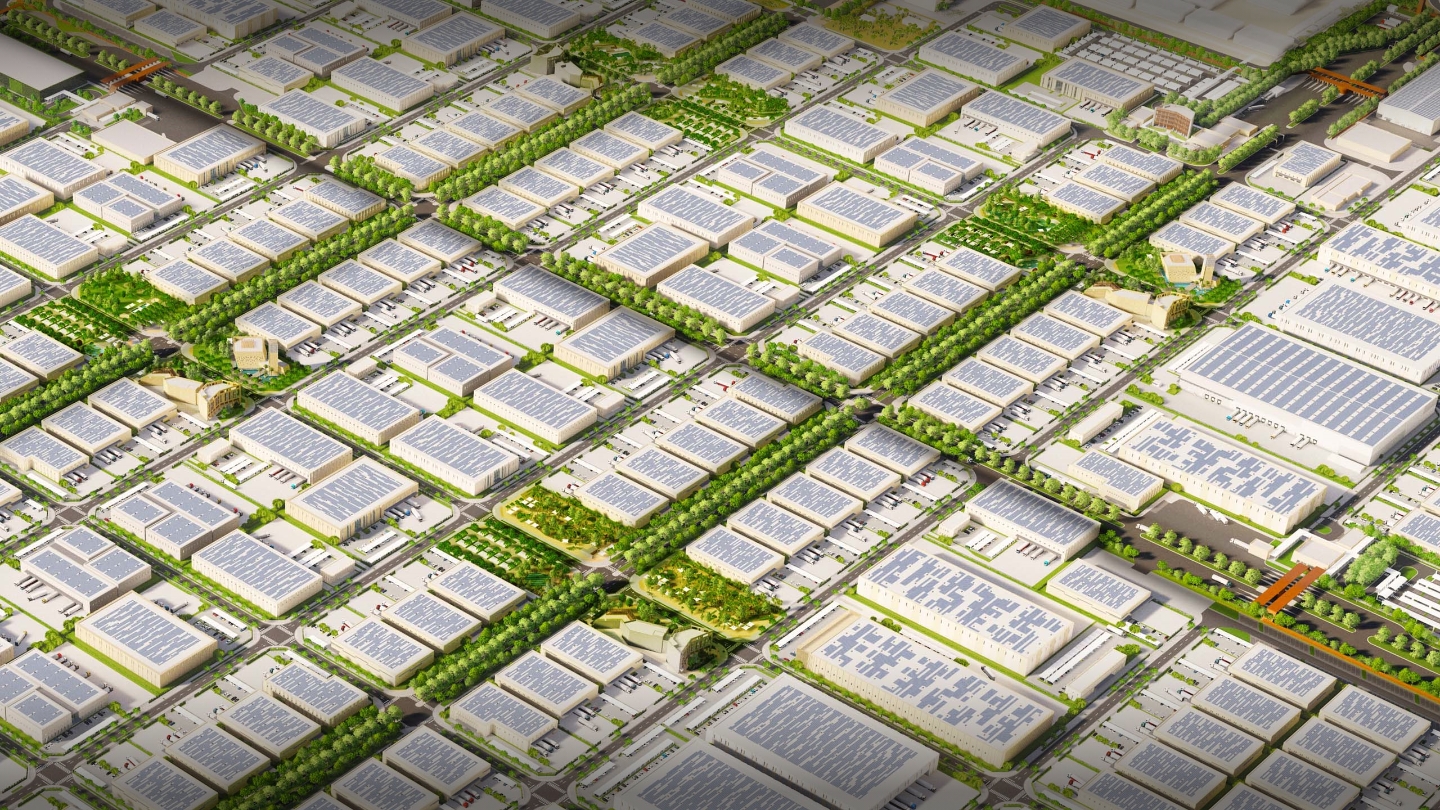
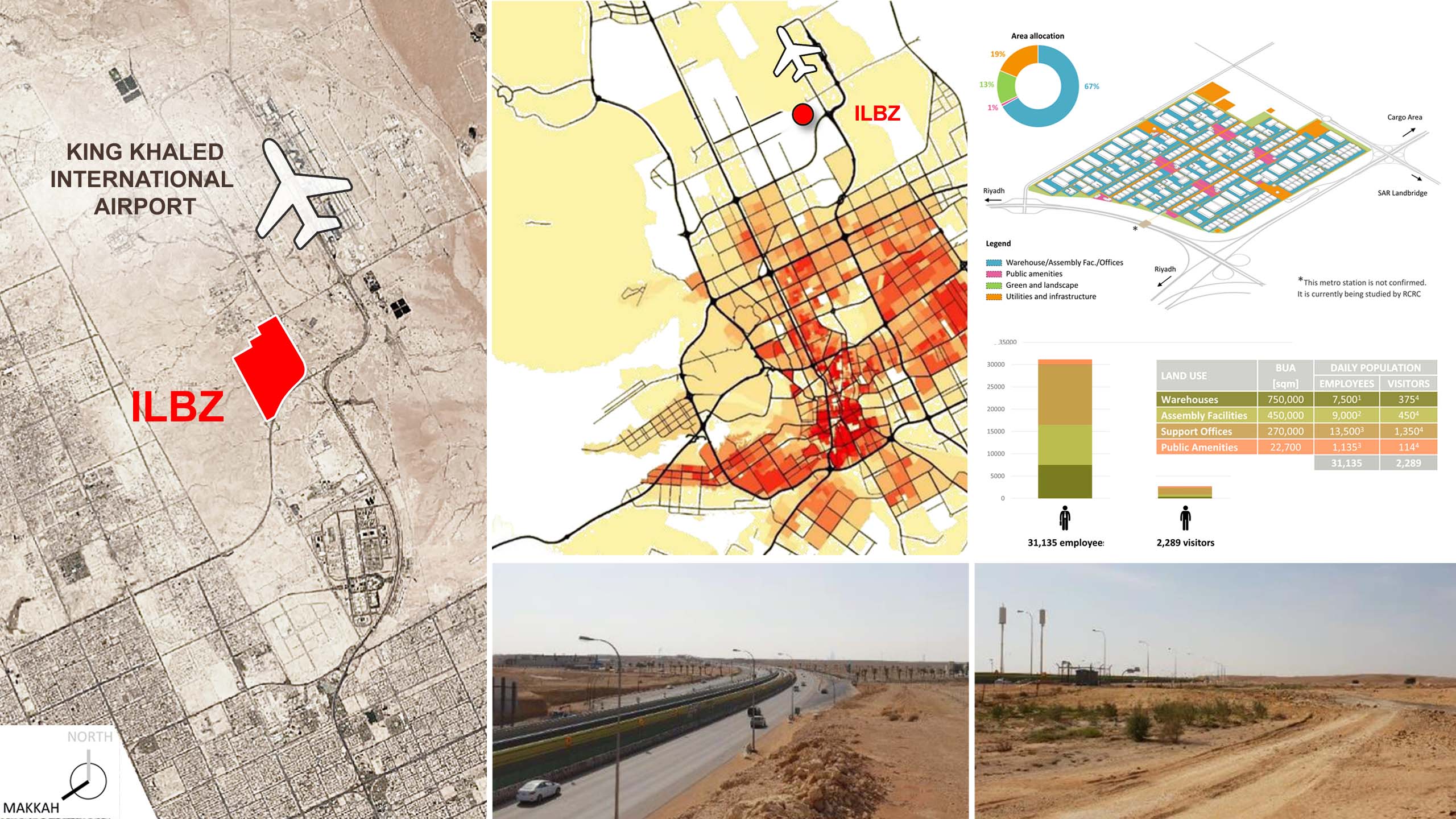
ILBZ is the first integrated logistics zone in the Kingdom of Saudi Arabia. This ambitious project forms part of the greater Vision 2030, a socio-political and economic reform aiming to create growth and to widen the scope of opportunities for the country. More specifically, the development of a Free Zone within close proximity to King Khaled International Airport, the planned metro and railway systems as well as the existing ring road systems, aspires to turn Riyadh into a global and regional hub for trade and commerce.
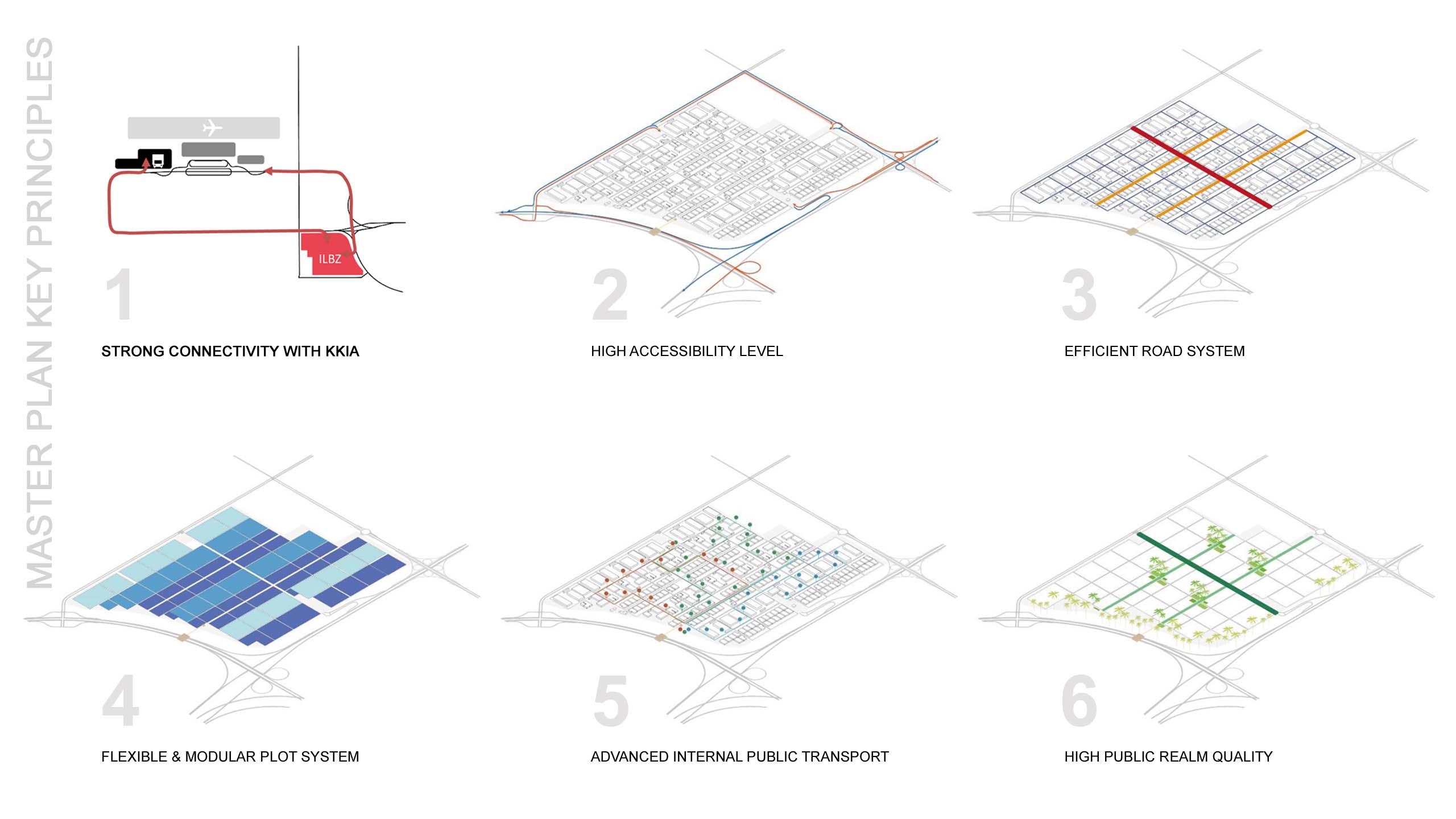
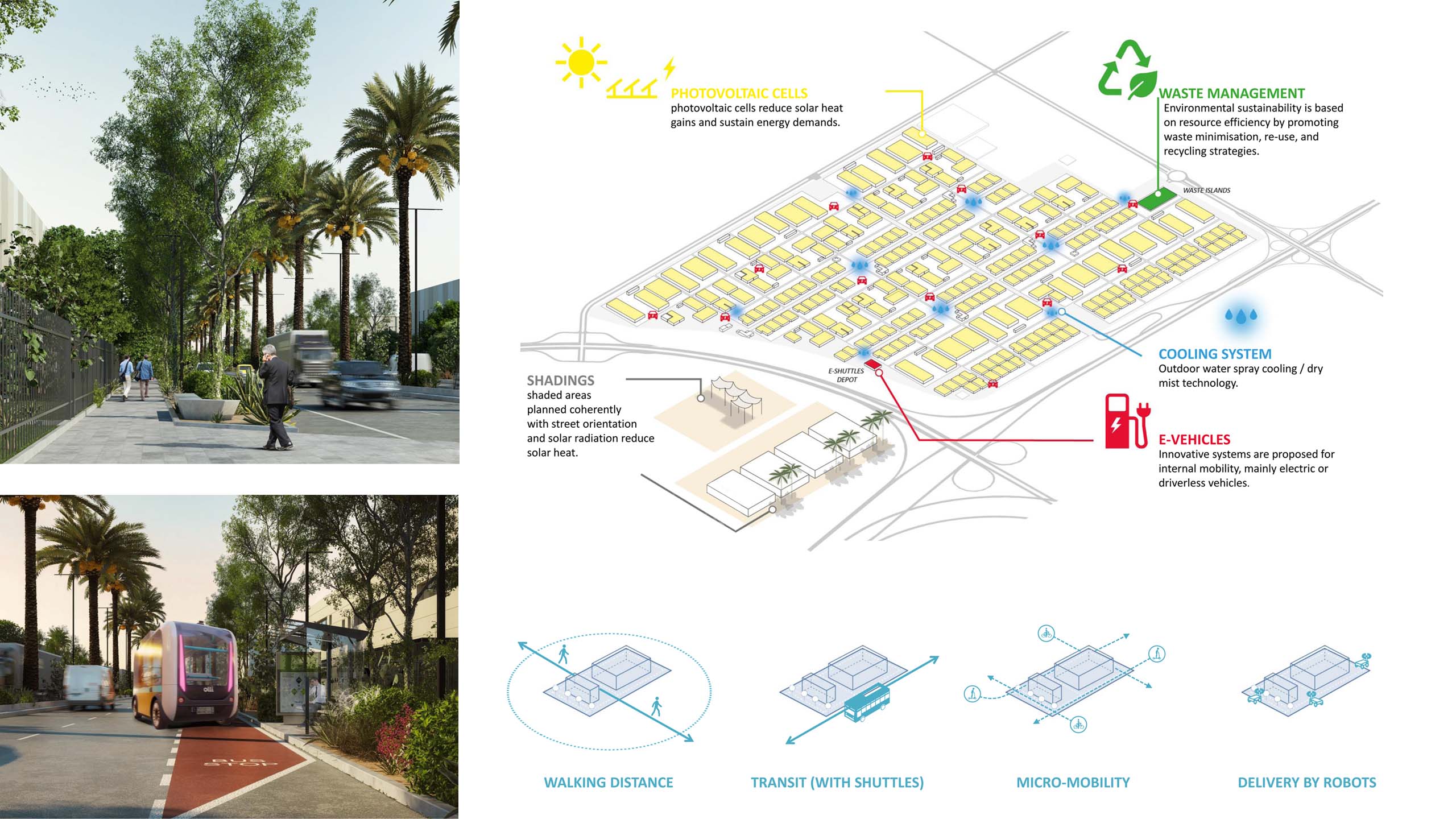
The first stage of the project program called for the development of a comprehensive and integrated master plan that tackles all logistic issues. Accordingly, the proposal evolved around three main principles: (1) Sustainability and technology to reduce environmental impact, increase productivity and foster innovation, (2) efficiency and performance to reduce travel time of people and goods and (3) quality and commodity to attract international market leading companies and ensure a high level of services and living standards.
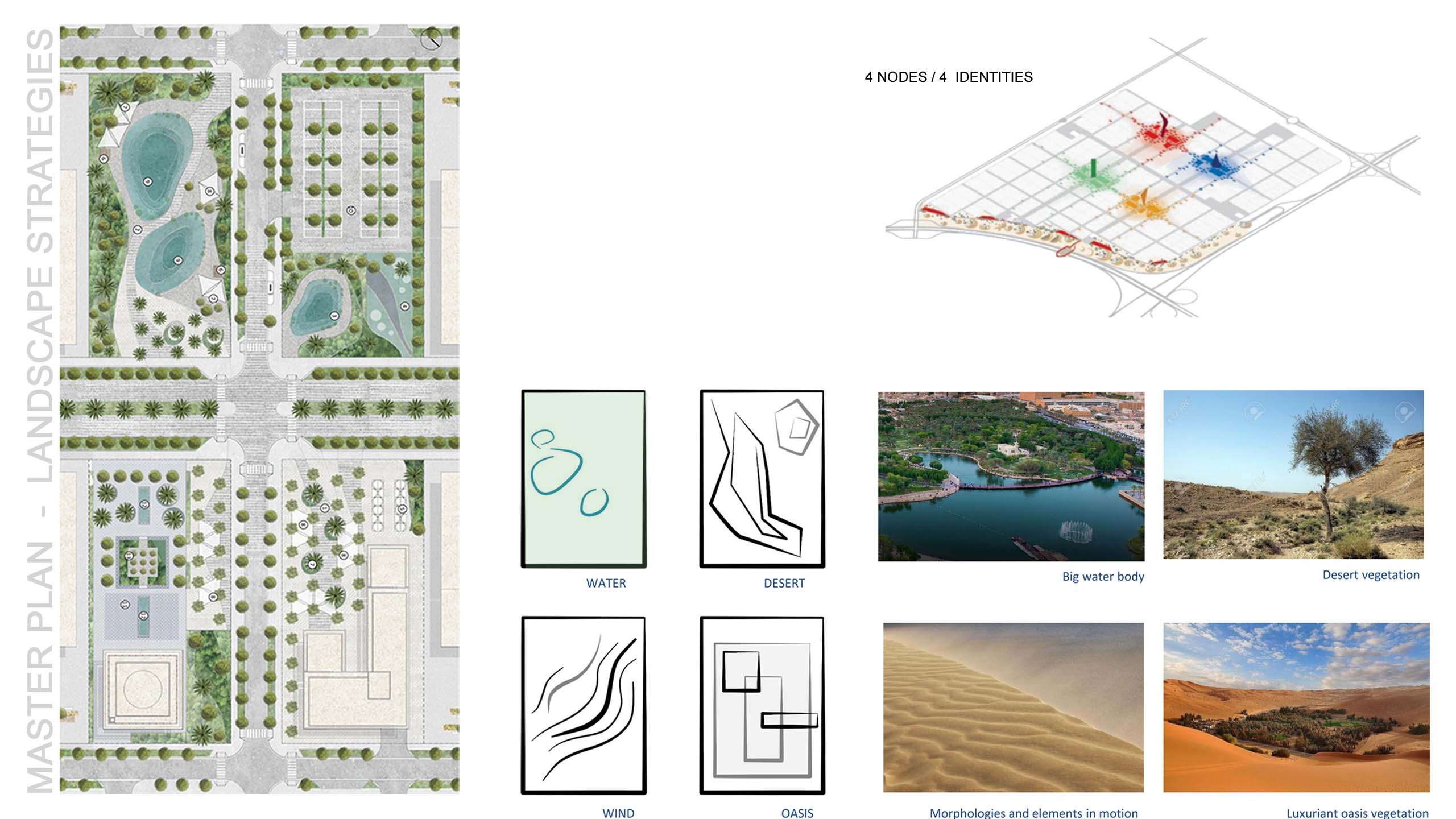
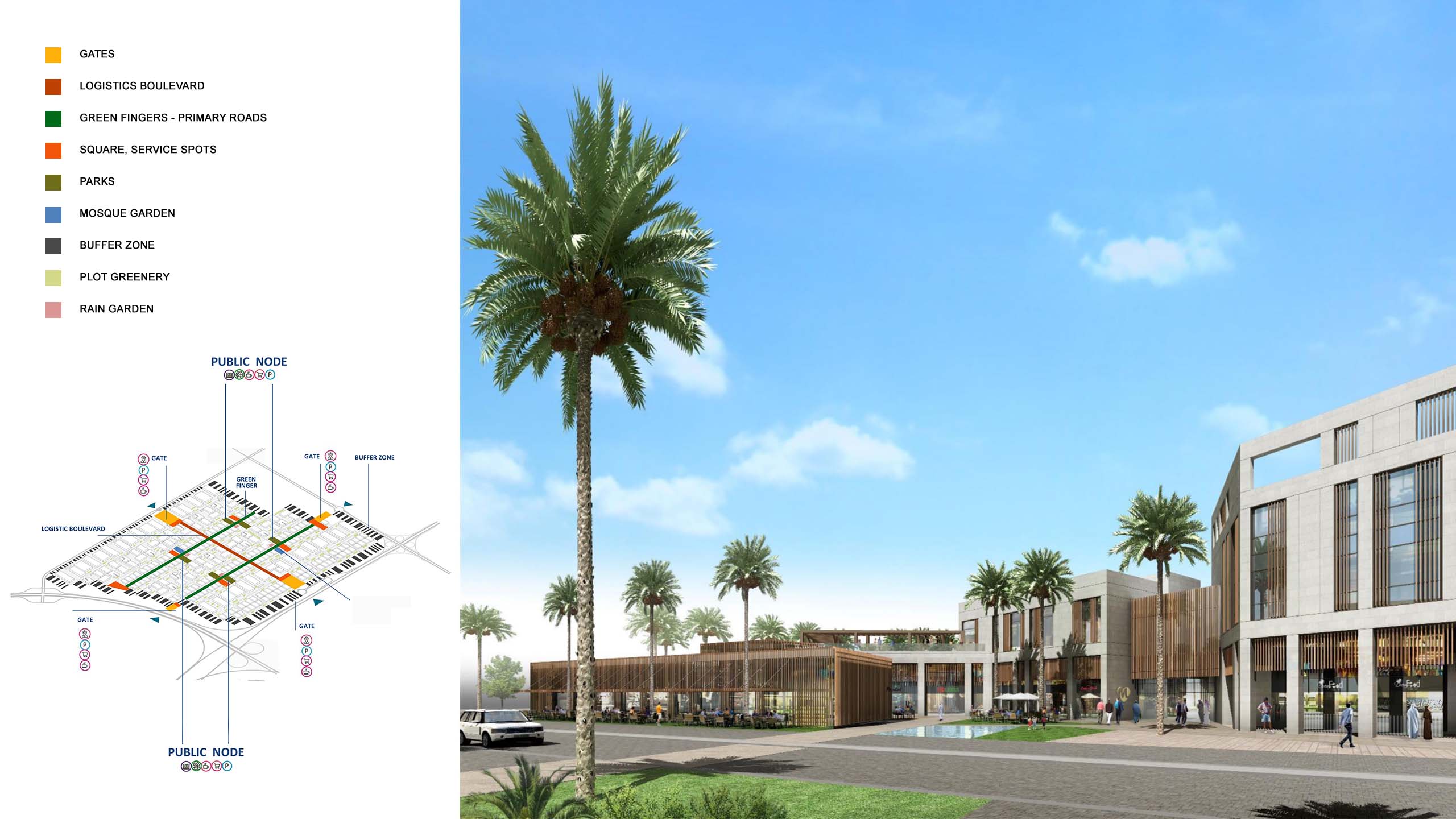
Using a holistic approach, the master plan aspires to provide seamless accessibility to and from the free zone. It proposes optimal flexibility thanks to a modular grid system in which plots can be combined and configured according to the needs of different tenants. Finally, the master plan concentrates all public amenities and facilities around six key nodes, strategically localized within equal reach to all community members. The nodes, each with its own special characteristics and outdoor landscaped spaces, become the focus of public life, aiming to provide users with an ecofriendly pedestrian experience.
Following the master plan guidelines, the second stage consisted in developing the design for the gates, the control, customs and security building, the bus terminal, the fire station as well as the public key nodes with their ancillary facilities and adjoining mosque. While the architectural expression draws inspiration from the contextual cultural heritage, it aspires towards a sustainable future, embracing innovative technologies and a more contemporary expression.